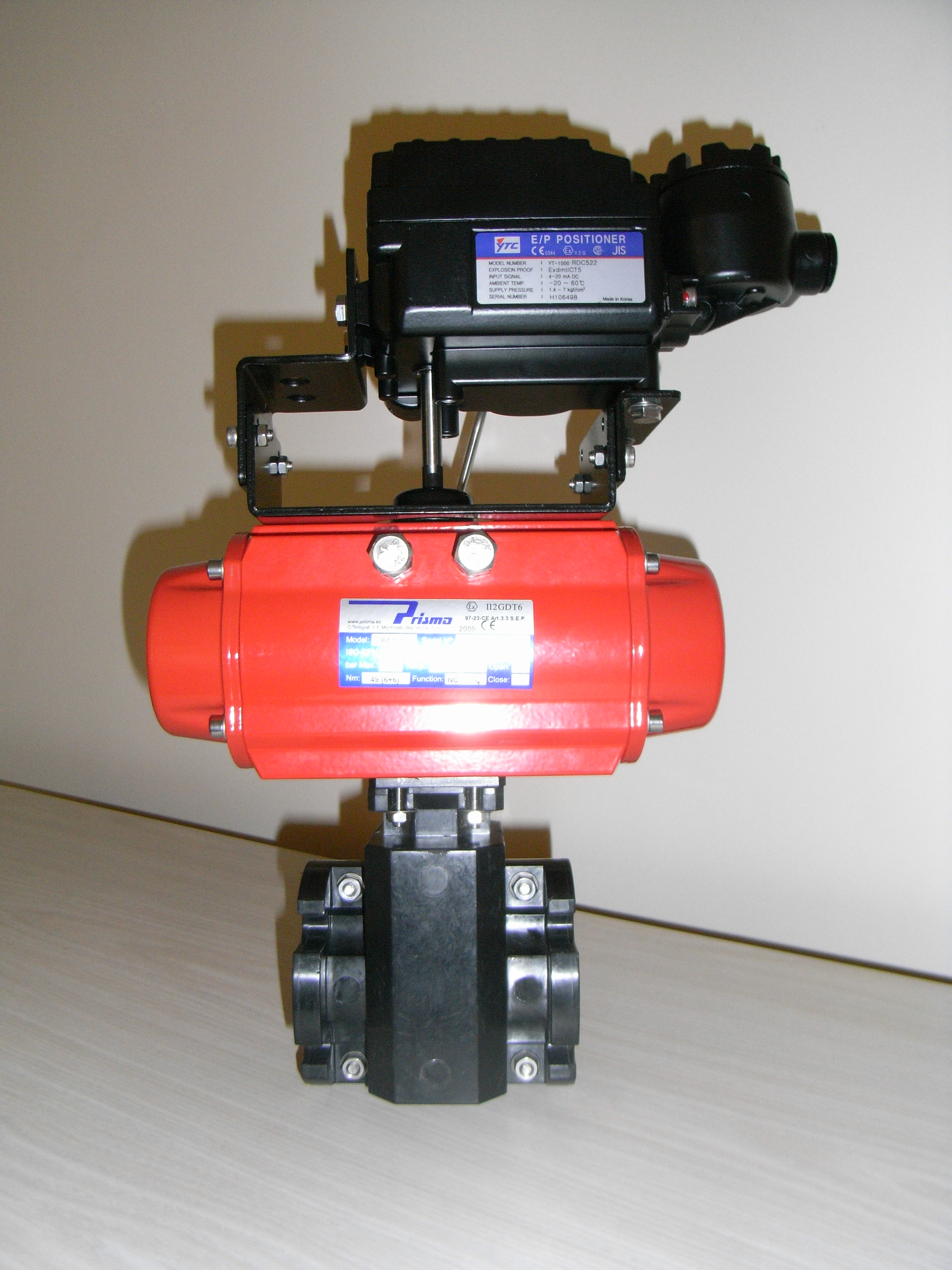
Main Types of Valves for Heavy and Light Slurry Applications
Different types of slurry valves serve specific purposes. Let’s take a closer look.
Pinch Valves for Slurry Applications
The pinch valve uses a flexible rubber sleeve that pinches to stop or regulate flow within the line. Since the sleeve is the only wetted part, these valves offer excellent resistance to wear and corrosion.
- Main Advantages: Full bore/full flow, Simple design, low maintenance, field replaceable sleeve, excellent resistance to corrosion and abrasion, isolation and control applications.
- Key Applications: Highly abrasive or corrosive slurries in Mining and mineral processing.
Duckbill Check Valve
A duckbill check valve used for slurry automatically prevents backflow by closing when flow reverses. Being made from elastomers, it is the one check valve that offers a solution for anti-abrasion like no other check valve does. It protects pumps and other equipment from damage caused by reverse slurry movement.
- Main Advantages: Anti abrasive option for check valves, closes on solids, reliable backflow prevention, easy to maintain. No power of actuation required as it is a passive valve.
- Key Applications: Pump discharge protection: Prevents backflow prevention during pump shutdown, critical in centrifugal pump systems handling mining slurries
Elevated pipelines: Protects downstream systems in vertical and reverse flow.
Slurry Knife Gate Valve
The knife gate valve uses a knife-edged blade to cut through thick, solids-heavy slurries. This prevents blockages and ensures a smooth flow path. When fully open, they offer minimal flow resistance because of the full bore that the valve offers, normally the same size of the pipe ID. The variety of materials and configurations in the knife gate range, make this valve type a worthy choice for all types of slurries with pressures up to Class 300.
- Advantages: Cuts through viscous and solids-laden slurries, easy to maintain. Tailor made trim materials can be selected to maximise wear life of the valve.
- Key Applications: Thick, abrasive slurries in mining, pulp, and chemical industries.
Choosing the Best Valves for Slurry Applications
When selecting valves for slurry service, consider these crucial factors:
Corrosiveness of the Slurry
Use valves made from materials that resist abrasive and corrosive damage. Stainless steel or rubber-lined valves are good choices because they withstand harsh demanding abrasive applications.
The abrasiveness of the Slurry
Slurries with solid particles can quickly wear out valve parts. Choose valves made from tough materials like hardened steel , alloy coatings elastomeric trim or ceramic coatings to reduce wear.
Temperature and Pressure Conditions
Ensure the valve can handle your system’s specific pressures and temperatures. Each valve has specific ratings for these conditions.
Maintenance and Replacement
Choose valves with easy field replaceable parts, such as seats and seals. This simplifies maintenance and helps avoid long downtimes.
Flow Control Requirements
Decide whether you need valves that open or close fully (isolation) or regulate the flow (like modulating and control valves).
Valve Sizing
Choosing a valve size that suits your pipes and matches the flow rate is crucial. A valve that is too big or too small can cause system inefficiencies or pressure loss. For control and modulating applications, correct sizing of the valve is mandatory for proper results.
Materials Used in Slurry Valves
With the invention of modern materials and technologies, we now have a wide variety of materials, linings, and coatings that help to extend wear life in slurry valves
Stainless Steels:
This is a standard material is good at resisting rust and can handle slurries that are light to medium duty. Materials like Austenitic grades (300 and 200 series) and Ferritic (400 series) are most used for these applications. Should the slurry be of a very harsh abrasive nature, a combination like a Duplex or Super Duplex grade material (SAF 2205/2507) is always used.
Cast Iron:
Strong and affordable, cast-iron works well for slurries that don’t cause rust. It’s a reliable choice for many standard uses. Great for light slurry and valve body castings, where a lining of a different material is applied onto the inside to extend wear
Alloy Materials (like Chromium):
Alloys, such as Chromium carbide, Tungsten carbide, Stellite, Titanium etc are very tough and highly wear resistant. They’re excellent for applications where there’s a lot of abrasion, and the inner linings and seats and trims are made from these alloys.
Elastomeric Rubbers and Plastics:
These materials are great for slurries that are abrasive corrosive or not very pressurized. A wide variety of grades of elastomeric rubber formulas can be tailormade to suit the application. Polyurethanes are also popularly used.
Choose materials that offer the best combination of wear and corrosion resistance suitable for your specific slurry application.
Best Practices for Maintaining Slurry Valves
Proper maintenance can significantly extend the life of your slurry valves:
- Regular Inspections: Routine checks help identify wear or damage early, preventing costly repairs.
- Seal and Seat Maintenance: Regularly check and replace seals and seats to ensure tight closures and prevent leaks.
- Proper Cleaning: Keep valves clean from slurry build-up, which can impair their function and lead to premature failure.
Conclusion
Selecting the Right Slurry Valve for Your Operation
Choosing the right slurry valve requires matching valve type to your specific operating conditions. Whether you’re managing mining slurries with high solids content, corrosive chemical mixtures, or wastewater with variable viscosity, the right valve design is required—whether it’s a pinch valve, knife gate valve, or duckbill check valve, —It must ensure a long service life, reduced maintenance costs, and reliable system performance.
Ready to upgrade your slurry system?
If you are handling abrasive slurry or mining applications, share the following details with our engineering team:
- Pipeline size and layout (diameter, pressure rating)
- Operating pressure and temperature range
- Solids content (% by weight or volume) and particle size
- Slurry type and chemical composition
Key Takeaway:
- Choose pinch valves when you need frequent stop-start cycles with minimal downtime for maintenance (typical in batch processing or slurry bypass circuits).
- Choose knife gate valves when handling thick, fibre-laden slurries in high-pressure environments where valve accessibility is limited and isolation is the primary function (common in mining and pulp applications).


